









Amavasya, also known as New Moon Day, holds deep spiritual importance in Hindu tradition. It marks the beginning of Shukla Paksha, the bright fortnight of the lunar month, according to the Hindu calendar. The Hindu lunar calendar consists of 30 lunar phases, known as tithis, and Amavasya represents the phase when the moon is not visible in the sky. In Sanskrit, Amāvasya refers to the lunar phase of complete darkness—the night when the moon is in conjunction with the sun. Because English has no specific name for this exact phase, Amavasya is commonly translated simply as New Moon.
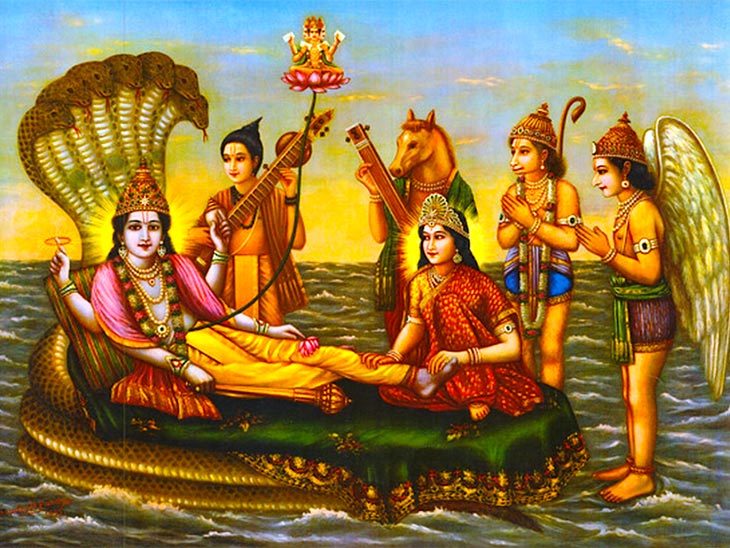
Ekadashi is the eleventh lunar day (tithi) of both the waxing (Shukla Paksha) and waning (Krishna Paksha) phases of the Hindu lunar month. This sacred day is dedicated to Lord Vishnu, and observing Ekadashi fasting is believed to cleanse the mind, body and soul while removing past karmic sins. Among the 24 (sometimes 26) Ekadashis in a year, Nirjala Ekadashi is considered the most powerful because its observance is believed to grant the benefits of all Ekadashi fasts combined.
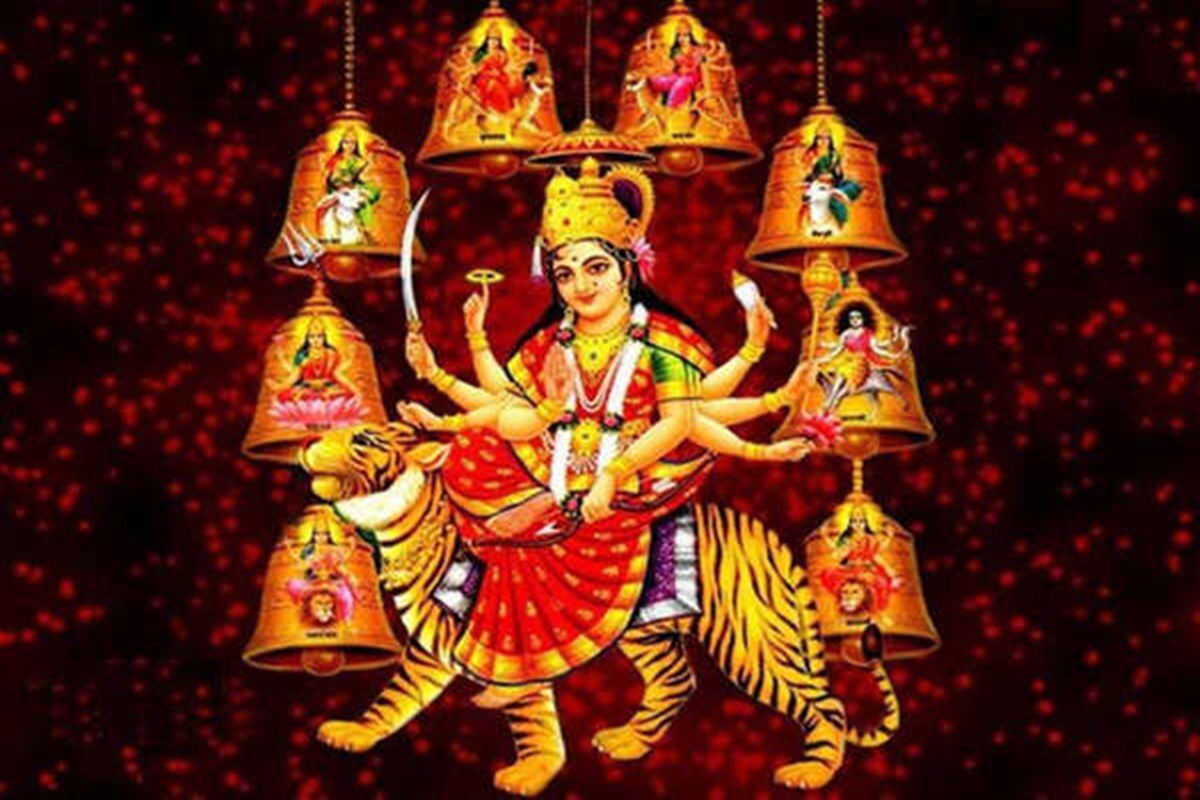
Navratri is one of Hinduism’s most celebrated and spiritually powerful festivals. The word Navratri means “nine nights”, dedicated to worshipping the Divine Feminine—Goddess Durga in her nine sacred forms (Navadurga). Although scriptures mention four seasonal Navratris, the most widely celebrated is the Sharad Navratri (September–October), observed during the bright half (Shukla Paksha) of the month of Ashwin. The festival symbolizes the victory of Good over Evil, commemorating Goddess Durga’s legendary battle and triumph over the demon Mahishasura. For nine days, devotees worship one form of Durga each day, observe fasting, perform rituals, chant mantras, and celebrate divine energy (Shakti).
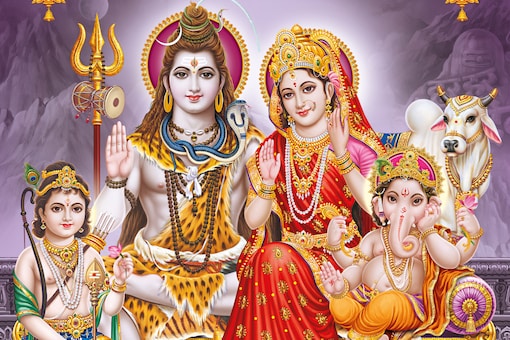
Pradosh Vrat (also spelled Pradosham) is a highly auspicious fast in Hinduism dedicated to Lord Shiva and Goddess Parvati. It is observed on Trayodashi Tithi—the 13th day of both the waxing (Shukla Paksha) and waning (Krishna Paksha) lunar phases. Like Ekadashi is observed twice a month for Vishnu, Pradosh Vrat is observed twice every month for Lord Shiva. The word Pradosh refers to the sacred twilight period, the time just after sunset when devotees worship Shiva. This period is believed to be spiritually charged, making prayers and rituals especially powerful. In all Shiva temples, devotees worship Nandi, the divine bull, and offer prayers to Lord Shiva seated with Goddess Parvati.

Purnima Vrat is a sacred Hindu fasting practice observed on every full moon day to honor deities such as Lord Vishnu, Lord Shiva, and Goddess Lakshmi. Devotees observe a fast from sunrise until moonrise, seeking prosperity, spiritual purification, and protection from negative energies. In South India, this auspicious observance is popularly known as Pournami Vratam.
Rohini Vrat is an important and sacred fast observed with deep devotion by followers of the Jain community. The vrat is observed on the day of Rohini Nakshatra, which appears once every 27 days. In a year, there are 12 Rohini Vrats. Both men and women may observe this fast, but in Jain traditions, women especially keep Rohini Vrat for the well being, prosperity, and long life of their family. The fast concludes at the end of Rohini Nakshatra and the beginning of Mrigashirsha Nakshatra.
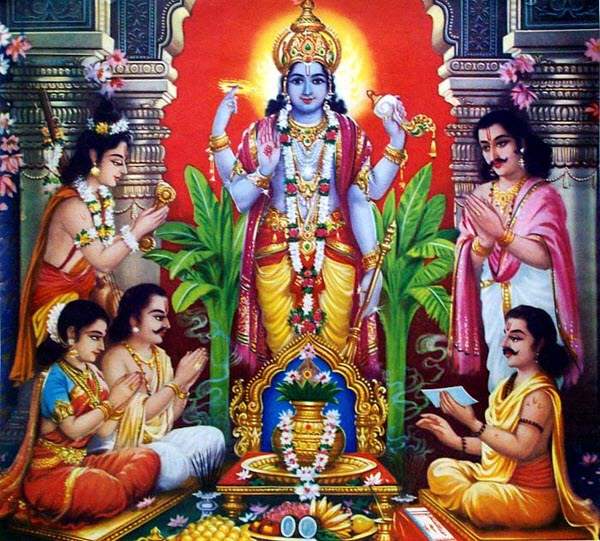
Satyanarayan Vrat is one of the most widely practiced and revered Hindu rituals dedicated to Lord Satyanarayan, a divine form of Lord Vishnu symbolizing truth, righteousness, and eternal justice. The term Satyanarayan comes from: • Satya – Truth • Narayana – The Supreme Being Thus, the vrat represents devotion to the embodiment of truth and cosmic order. This sacred puja is performed across India—especially in Gujarat, Maharashtra, Rajasthan, Uttar Pradesh, Bengal, Karnataka, Andhra Pradesh, Telangana, Bihar, Odisha, and Assam. One of the special features of this vrat is that it can be performed on any day, for any auspicious purpose, or to seek blessings during important life events.
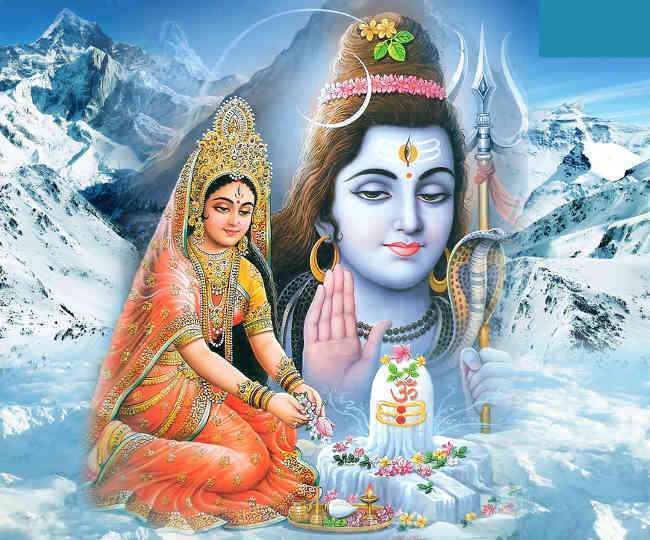
Sawan Somwar Vrat is an auspicious Hindu fast dedicated to Lord Shiva, observed on all Mondays (Somwars) during the holy month of Shravan/Sawan. This month is considered extremely sacred in the Hindu lunar calendar, and Mondays during Shravan hold special importance for devotees of Shiva and Goddess Parvati. The vrat begins after Amavasya (New Moon), marking the arrival of the Sawan / Shravan month. Devotees observe fasts, visit Shiva temples, chant mantras, and offer prayers seeking divine blessings.
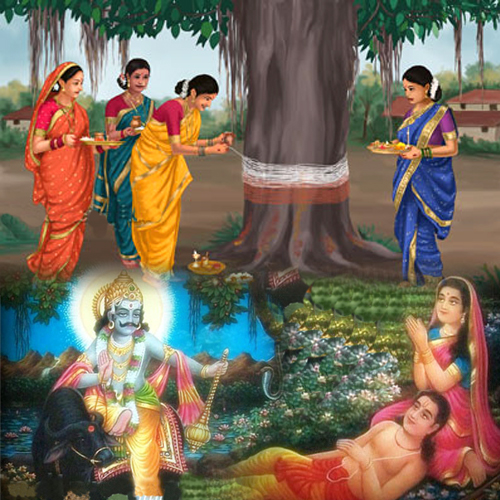
Vat Savitri Vrat (also known as Vat Purnima Vrat) is one of the most important fasting rituals observed by married Hindu women. Celebrated in the month of Jyeshtha, this vrat is dedicated to Goddess Savitri, who is revered for her devotion, purity, and determination. In some regions, the vrat is observed on Amavasya (New Moon) while in others it is observed on Purnima (Full Moon). Women pray for the long life, prosperity, and well being of their husbands, symbolizing eternal marital bliss and strength of commitment. In Western Odisha, the vrat is also known as Sabitri Uwaans.
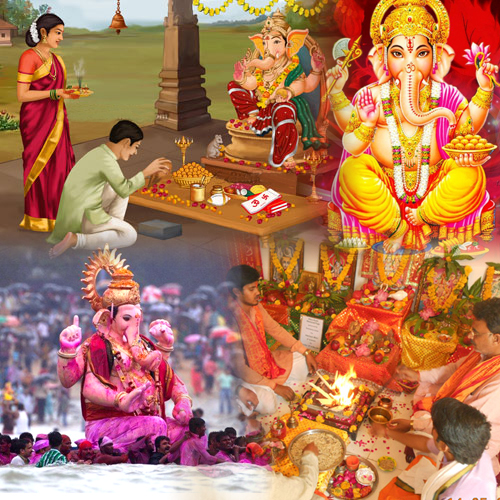
Vinayaka Chaturthi, also known as Ganesha Chaturthi (Monthly), is observed every month on the Chaturthi Tithi of Shukla Paksha—the fourth day after the New Moon. According to Hindu scriptures, all Chaturthi tithis are dedicated to Lord Ganesha, the remover of obstacles and the deity of wisdom and auspicious beginnings. This day marks the monthly birth celebration of Lord Ganesha, distinct from the grand annual festival celebrated in Bhadrapada, which is popularly known as Ganesh Chaturthi.