






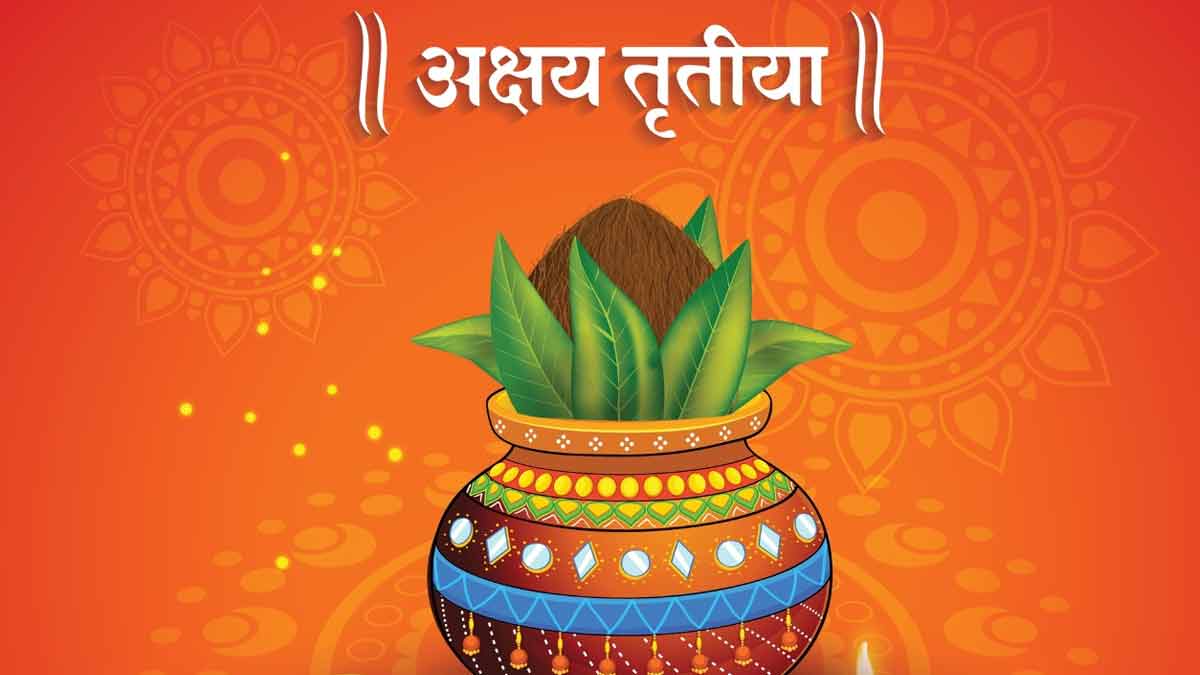
Akshaya Tritiya, also known as Akti or Akha Teej, is a highly auspicious Hindu and Jain spring festival celebrated annually. It falls on the third day (Tritiya) of Shukla Paksha in the holy month of Vaishakha, typically in April or May as per the Hindu lunisolar calendar. The word “Akshaya” in Sanskrit means eternal, imperishable, and never diminishing, symbolizing everlasting prosperity, purity, success, and auspicious beginnings. This sacred day is believed to bring unending blessings, making it an ideal time for starting new ventures, investments, marriages, spiritual activities, and charitable works.
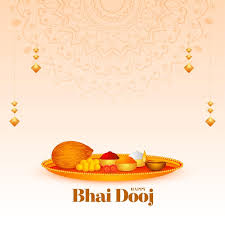
Bhai Dooj, also known as Bhaiya Dooj, Bhai Tika, Bhau Beej, Bhai Phonta, and Yama Dwitiya, is a cherished Hindu festival celebrating the eternal bond between brothers and sisters. It is observed on the second day (Dwitiya) of Shukla Paksha in the month of Kartika, just after Diwali. According to tradition, sisters pray for their brothers’ prosperity, protection, and long life, while brothers express love and gratitude through gifts and blessings.
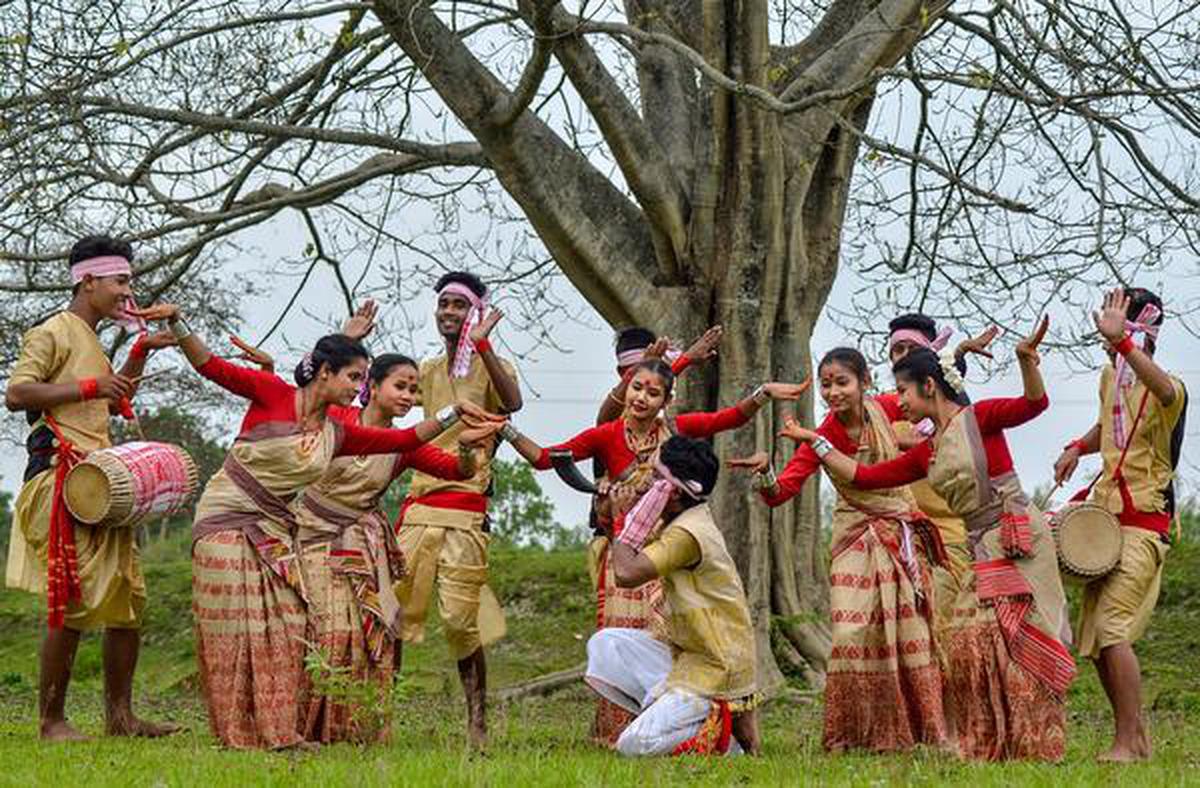
Bihu is one of Assam’s most vibrant and culturally significant festivals. It actually refers to a set of three major Assamese festivals celebrated throughout the year—each representing a different agricultural and seasonal cycle. These are: 1. Rongali or Bohag Bihu – Celebrated in April (Spring & Assamese New Year) 2. Kongali or Kati Bihu – Celebrated in October (Autumn & crop protection) 3. Bhogali or Magh Bihu – Celebrated in January (Harvest & feasting) Among these, Rongali Bihu is the most prominent, marking the Assamese New Year and the welcoming of spring.
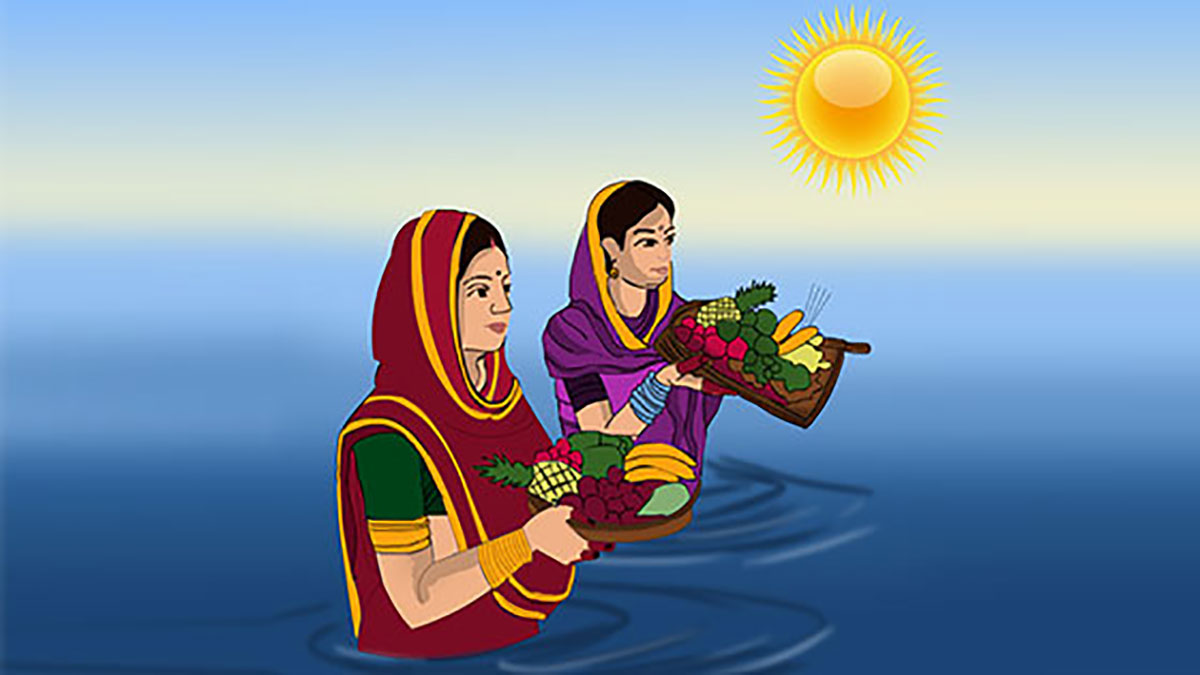
Chhath Puja is one of the oldest and most sacred Vedic festivals dedicated to Lord Surya (the Sun God) and Chhathi Maiya—who is worshipped as the goddess of well being, fertility, and long life. This festival is primarily celebrated in Bihar, Jharkhand, Eastern Uttar Pradesh, and Nepal, though today it has gained popularity across India and abroad. Chhath Puja is unique because it is the only Vedic festival devoted exclusively to the Sun God, the universal source of life, energy, and prosperity. The four day ritual is performed with strict discipline, fasting, devotion, and offering arghya (prayers) to the setting and rising sun. Those who observe the fast are known as Vratis.
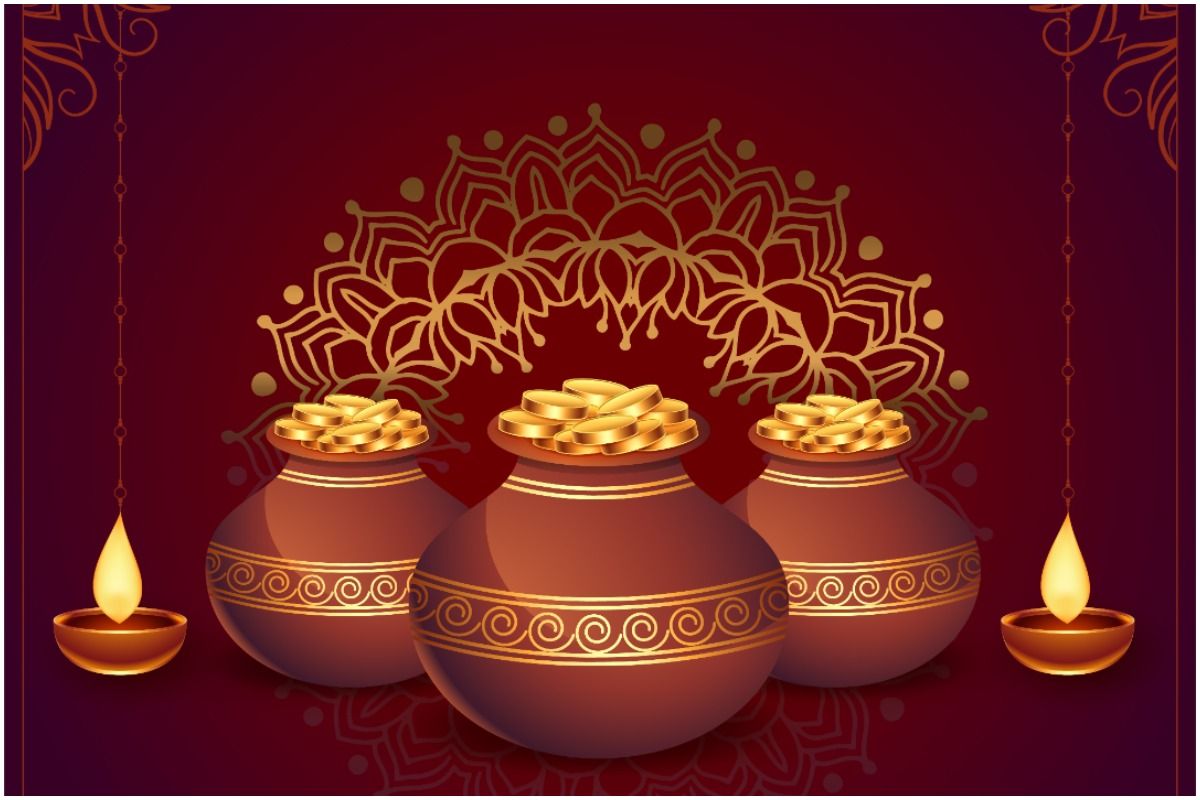
Dhanteras, also known as Dhantrayodashi, marks the first day of the Diwali festival in India. It is celebrated on the thirteenth lunar day (Trayodashi) of Krishna Paksha in the month of Ashwin as per the Hindu calendar. The festival is dedicated to (i) Goddess Lakshmi – the deity of wealth and prosperity (ii) Lord Dhanvantari – the divine physician and the father of Ayurveda (iii) Lord Ganesha – the remover of obstacles. Traditionally, Gujarati communities celebrate their New Year around this time with festive dishes like dal baath and malpua.
Diwali, also called Deepavali, is one of India’s grandest and most cherished festivals. The name comes from the Sanskrit words “Deepa” (lamp) and “Avali” (row), symbolizing a row of lights that dispels spiritual darkness and heralds positivity, prosperity, and knowledge. For Hindus, Diwali holds the same importance that Christmas holds for Christmas, making it a festival of joy, unity, and celebration across communities. Over time, Diwali has become a national festival, widely celebrated by Hindus, Sikhs, Jains, and Buddhists in different ways, each observing unique legends rooted in their faith traditions.
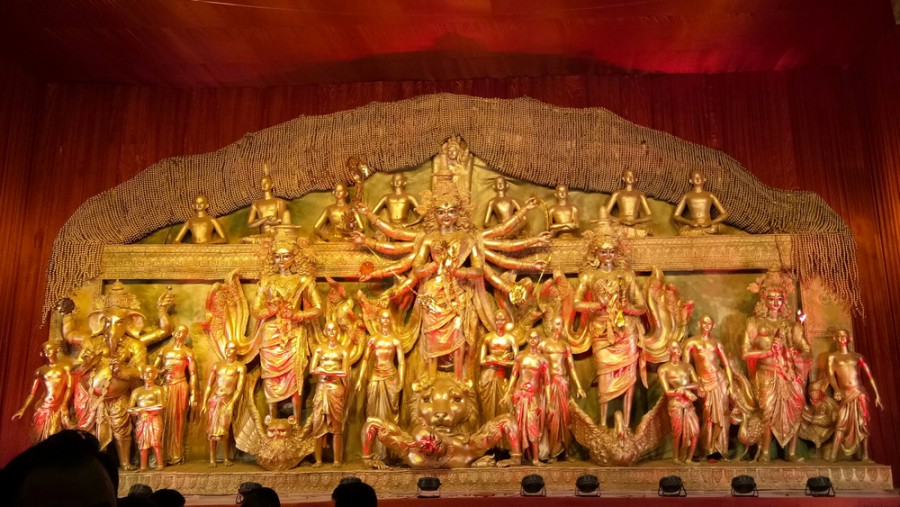
Durga Puja, also known as Dussehra, Vijaya Dashami, or Navratri (in many regions), is one of India’s most celebrated and culturally significant Hindu festivals. It is observed for 10 days in the month of Ashvina (September–October) and is especially grand in West Bengal, Assam, Odisha, Tripura, Bihar, and eastern India. Durga Puja marks the victory of Goddess Durga over Mahishasura, symbolizing the triumph of good over evil, light over darkness, and divine power over demonic forces. The festival coincides with Navratri, a nine-night celebration honoring the divine feminine energy (Shakti).
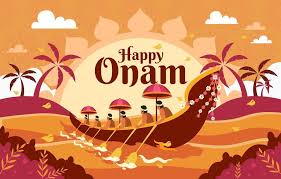
Onam is Kerala’s biggest and most vibrant annual festival, a grand harvest celebration observed by Malayalis across the world. It falls on the Thiruvonam nakshatra in the Malayalam month of Chingam (August–September), marking the beginning of the Malayalam New Year. Onam honors the beloved Asura king Mahabali, whose annual homecoming is believed to bring blessings, prosperity, and happiness to Kerala.
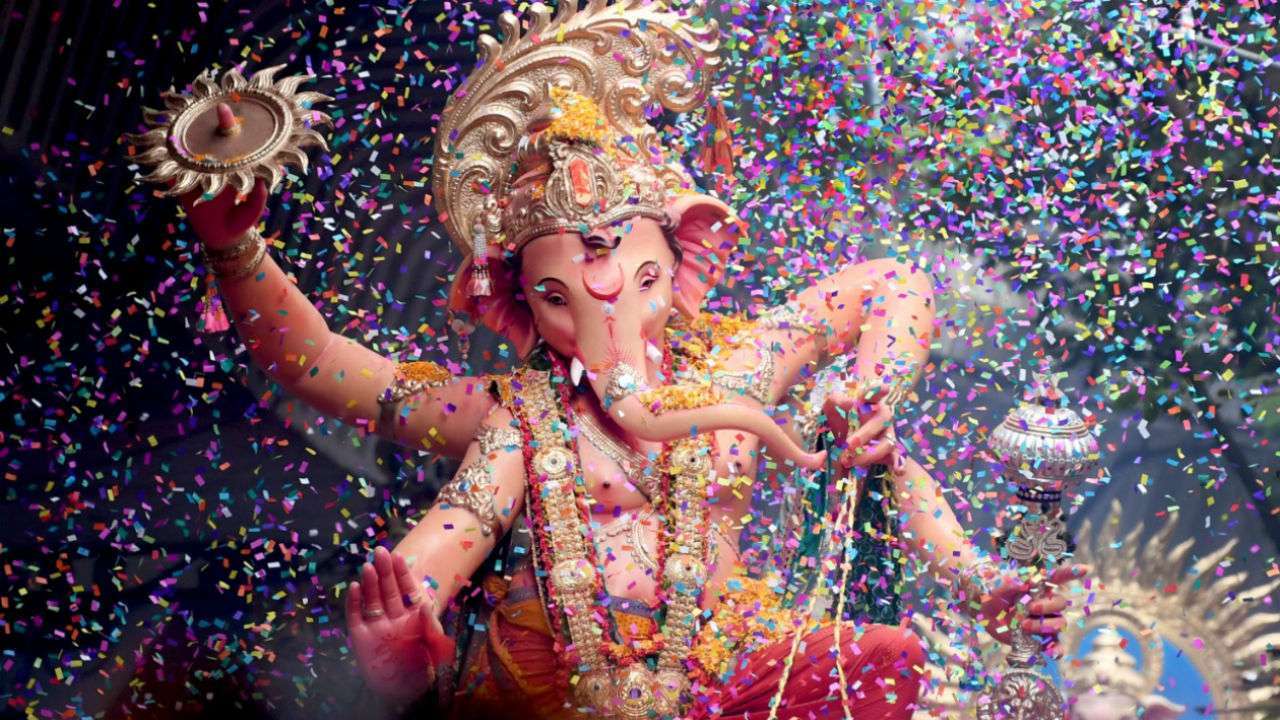
Ganesh Chaturthi, also known as Vinayaka Chaturthi, is a major 10 day Hindu festival celebrating the birth of Lord Ganesha, the beloved elephant headed deity of wisdom, prosperity, good fortune, and new beginnings. The festival begins on the fourth day (Chaturthi) of the Hindu month of Bhadrapada (August–September). The celebration gained massive cultural prominence in 1893 when Lokmanya Bal Gangadhar Tilak transformed Ganesh Chaturthi into a grand public event in Pune, using it as a means to unite people during India's freedom movement. Historically, the festival was also promoted by Chhatrapati Shivaji Maharaj to inspire unity and cultural pride among his people.
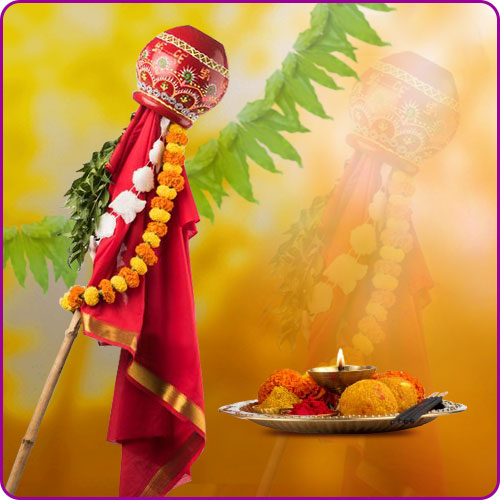
Gudi Padwa, also known as Samvatsar Padvo, marks the Maharashtrian and Konkani New Year. It is celebrated on the first day of the Chaitra month, which also marks the beginning of spring and the start of the Hindu lunisolar calendar. This festival symbolizes new beginnings, victory, and prosperity, making it one of the most important celebrations in Maharashtra and the Konkan region.
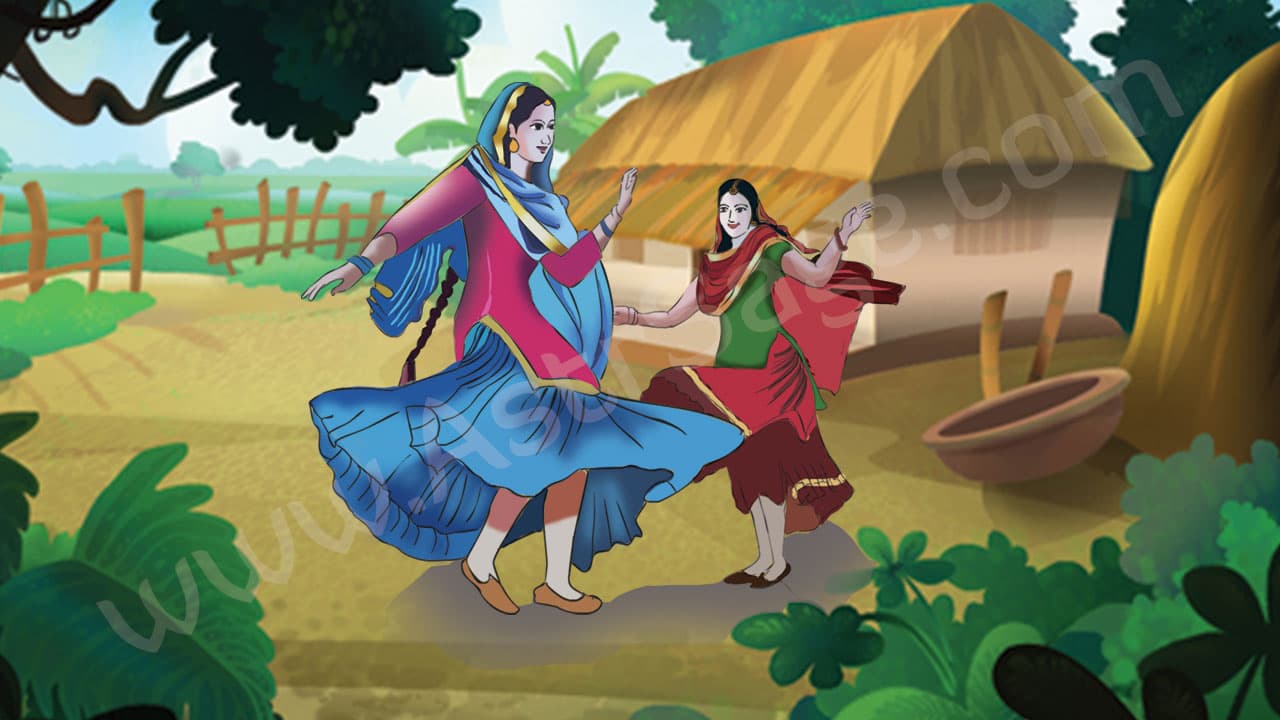
Teej is a major Hindu festival celebrated primarily by women across North India. It is observed on the third day (Tritiya) of the lunar fortnight and comes in three major forms: • Hariyali Teej – Celebrated in the month of Shravan/Sawan • Kajari (Kajali) Teej – Celebrated in the month of Bhadrapada • Hartalika Teej – Celebrated in Bhadrapada Shukla Paksha, the day before Ganesh Chaturthi Each Teej carries its own legends, rituals, and traditions, but all honor the divine union of Lord Shiva and Goddess Parvati and the strength of marital love.
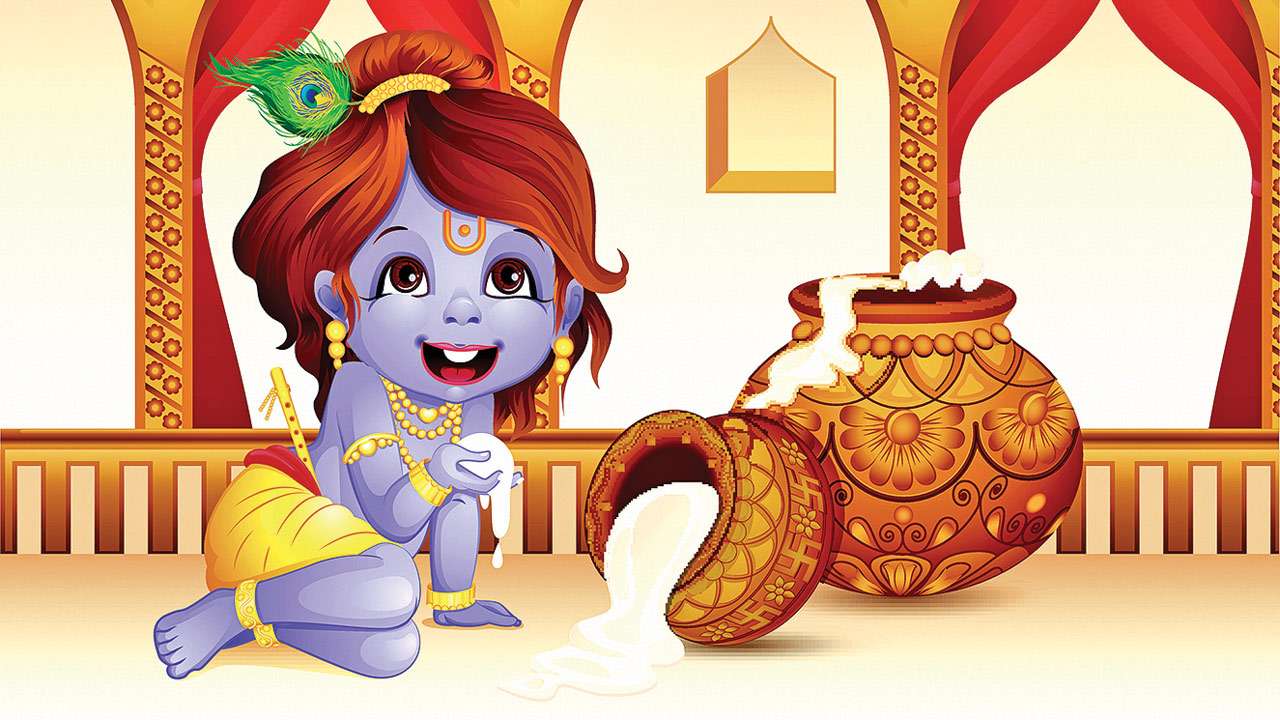
Krishna Janmashtami, also known as Gokulashtami or simply Janmashtami, is the annual Hindu festival celebrating the divine birth of Lord Krishna, the eighth incarnation of Lord Vishnu. The festival falls on the Ashtami (eighth day) of Krishna Paksha in the month of Shravana or Bhadrapada, corresponding to August–September in the Gregorian calendar. Janmashtami originally began in Gokul and later spread across Mathura, Vrindavan, and eventually throughout India. Even after thousands of years, devotees continue to honor Krishna for His teachings on love, dharma, devotion, and peace.

Holi, one of India’s most joyful and widely celebrated festivals, is known as the Festival of Colours and the Festival of Love. It is observed across the country with immense enthusiasm as people come together to forgive, forget, and strengthen bonds of harmony. Holi begins on the full moon day (Purnima) of the Hindu month Falgun, usually falling in March. The celebration spans two days: 1. Holika Dahan (Choti Holi) – the evening bonfire symbolizing the victory of good over evil 2. Rangwali Holi / Dhulandi – the vibrant festival of colors observed the next morning Holi originated in India but today is celebrated globally, making it one of the most recognizable cultural festivals worldwide.
Kartik Purnima, also known as Tripuri Purnima, Tripurari Purnima, Dev Deepawali, or Dev Diwali, is one of the most auspicious full moon festivals in Hinduism. It is observed on the 15th lunar day (Purnima) of the month of Kartik, which is considered the holiest month in the Hindu lunar calendar. According to Hindu mythology, this day marks the victory of Lord Shiva over the powerful demon Tripurasura. Tripurasura had conquered the three worlds and created three celestial cities known as Tripura. Lord Shiva destroyed all three cities with a single arrow, restoring balance to the universe. The devas celebrated this victory with lamps, giving rise to the festival of illumination now known as Dev Deepawali.
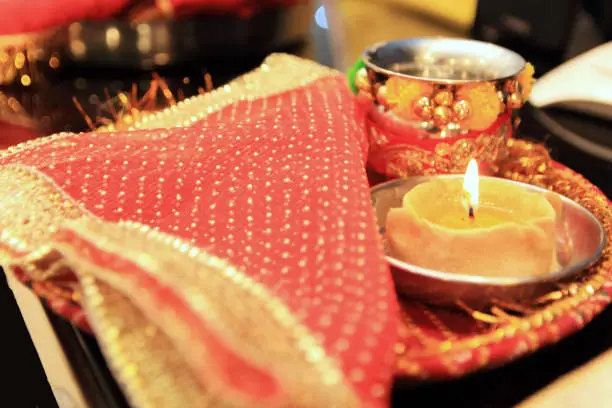
Karwa Chauth is one of the most important Hindu festivals dedicated to married women. Observed on the fourth day after Purnima (Full Moon) in the Hindu month of Kartik, it follows the traditional lunisolar calendar, which determines auspicious days based on moon phases. Widely celebrated in North India — especially in Punjab, Haryana, Delhi, Uttar Pradesh, Himachal Pradesh, Jammu & Kashmir, and Madhya Pradesh — Karwa Chauth is a sacred fast where married women pray and fast from sunrise to moonrise for their husband's long life, prosperity, and well being. In Andhra Pradesh, a similar festival is called Atla Tadde.
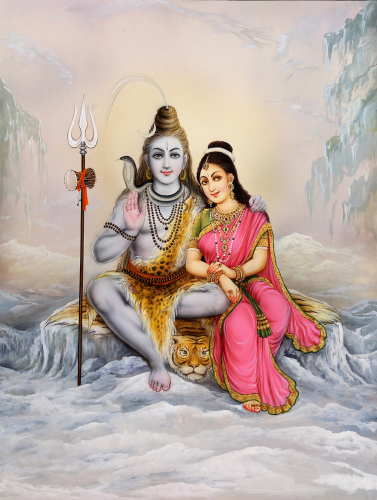
Maha Shivaratri is one of the most sacred Hindu festivals dedicated to Lord Shiva. The term means “The Great Night of Shiva”. While a Shivratri occurs every month on the 14th day of the Krishna Paksha, Maha Shivaratri is observed once a year during the late winter months of February–March (Phalguna/Magha, depending on regional calendars). Maha Shivaratri holds deep spiritual, cultural, and historical significance and is a powerful night for meditation, fasting, and connecting with the divine.