







.jpg)
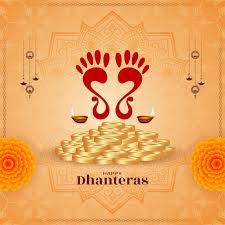
Dhanteras, also known as Dhantrayodashi, marks the first day of the Diwali festival in India. It is celebrated on the thirteenth lunar day (Trayodashi) of Krishna Paksha in the month of Ashwin as per the Hindu calendar. The festival is dedicated to (i) Goddess Lakshmi – the deity of wealth and prosperity (ii) Lord Dhanvantari – the divine physician and the father of Ayurveda (iii) Lord Ganesha – the remover of obstacles. Traditionally, Gujarati communities celebrate their New Year around this time with festive dishes like dal baath and malpua.
🌟 Significance of
Dhanteras
According
to Hindu scriptures, during the Samudra Manthan (Churning of the Ocean), on the
Trayodashi tithi:
Hence,
Dhanteras is celebrated as a day of:
People
believe that purchasing gold, silver, utensils, or valuable items on Dhanteras
attracts luck and prosperity into their homes.
🕉 Deity Worshipped
🙏 Dhanteras Rituals
(Puja & Vrat)
Lakshmi
Puja in the Evening
Bhajans,
mantras, and Lakshmi Aarti are sung, and naivedya is offered to the deity.
Special
Maharashtra Tradition
In
Maharashtra, families prepare a special naivedya of:
Offering
Wealth & Health Prayers
People
pray to:
🎉 Celebrations &
Cultural Importance
Dhanteras
is widely celebrated across India, especially in:
Highlights
include:
According
to spiritual traditions, the sun’s divine energy flows through Lakshmi’s Surya
Nadi, spreading golden “Tej-Tattva” (fiery essence) throughout the universe.
These energy particles are believed to bring:
It
is said that on this day, Goddess Lakshmi and Lord Kuber enter homes that are
clean, illuminated, and filled with devotion.
🎁 Gifts for Dhanteras
Popular
gifting options include:
🌍 Regional Traditions
South
India (Tamil Nadu)
Women
prepare Marundhu (medicinal paste) on Dhanvantari Trayodashi for health and
balance. It is consumed early morning on Naraka Chaturdashi to maintain the
body’s tridosha harmony.
Western
India (Gujarat)
Families
celebrate their New Year with special meals and family gatherings.
North
India
Markets
are crowded with people purchasing gold and utensils, believed to bring
prosperity.
🍛 How to Celebrate
Dhanteras
📅 Date & Time of Dhanteras 2026
Dhanteras
is celebrated on:
This is the first day of the Diwali festival.
2026 Date - Friday, November 6, 2026
🏛 Public Holiday