








The Yajurveda is one of the four main Vedas of Hinduism, alongside the Rigveda, Samaveda, and Atharvaveda. It is an ancient Vedic Sanskrit text primarily focused on ritual procedures, sacrificial formulas, and ceremonial worship. The term Yajurveda originates from the Sanskrit words yajus (ritual invocation or worship) and veda (knowledge), meaning “knowledge of sacrificial rites.” Unlike the Rigveda, which is composed largely of poetic hymns, the Yajurveda mainly consists of prose mantras designed to be recited by priests during religious ceremonies, especially sacrifices performed before the sacred fire (yajna).
The Samveda is one of the four sacred Vedas of Hinduism and is often described as the Veda of melodies, chants, and music. The name comes from the Sanskrit words “Saman” (song or melody) and “Veda” (knowledge). Unlike the Rigveda, which preserves poetic hymns, the Sama Veda transforms these hymns into musical compositions meant to be sung during Vedic rituals. It contains 1,549 verses, the majority of which are taken directly from the Rigveda, with only about 75 verses being unique. Three major recensions of the text have survived, showcasing slight regional variations across India.
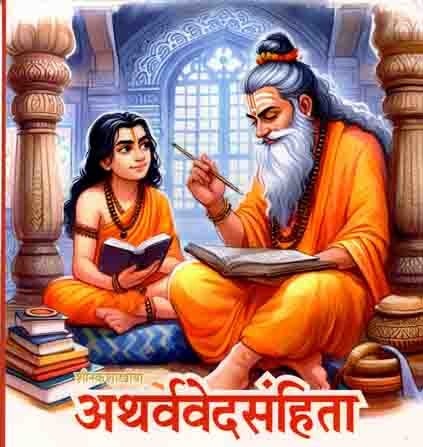
The Atharvaveda is the fourth and final Veda of Hinduism and is often described as the “Veda of everyday life,” containing hymns, chants, rituals, and practical knowledge related to health, protection, harmony, and daily living. The name comes from the Sanskrit words Atharvan (associated with ancient sage priests) and Veda (knowledge), meaning “the knowledge of everyday practices and formulas.” Composed of 730 hymns and nearly 6,000 mantras grouped into 20 books, the Atharvaveda presents a rich blend of spirituality, healing traditions, folk practices, philosophical ideas, and early scientific observations.
The Brahma Purana is one of the eighteen major Puranas of Hinduism, composed in Sanskrit. Because it traditionally appears first among the Maha Puranas, it is also known as the Adi Purana (“the first Purana”). Despite its name, the surviving manuscripts contain little material directly connected with Brahma—the Creator deity—and instead preserve a wide range of topics including geography, pilgrimage guides, temple traditions, cosmology, genealogy, and spiritual teachings. The text also goes by the name Saura Purana because of its extensive chapters dedicated to Surya, the Sun God.
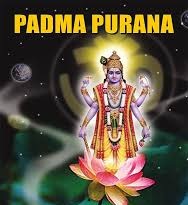
The Padma Purana is one of the eighteen major Puranas of Hinduism and is composed in Sanskrit. It is named after the lotus (Padma) from which Lord Brahma is traditionally believed to have emerged. Known for its encyclopedic nature, the Padma Purana includes extensive sections on Vishnu, as well as significant portions dedicated to Shiva, Shakti, cosmology, sacred geography, festivals, pilgrimage traditions, and devotional stories. Because of its size, layered expansion, and long history of transmission, the Padma Purana exists in multiple recensions with notable differences.
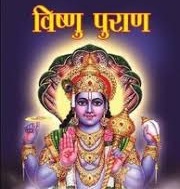
The Vishnu Purana is one of the eighteen Mahapuranas of Hinduism and a central scripture within the Vaishnava tradition. Composed in Sanskrit, it is regarded as one of the most authoritative Purana style texts presenting the theology, cosmology, genealogies, ethical teachings, and avatars associated with Lord Vishnu. It is also a key text in the Pancharatra tradition, which focuses on devotional worship (bhakti), ritual practices, and philosophical insights related to Vishnu.
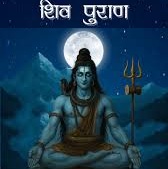
The Shiva Purana is one of Hinduism’s most revered Puranic texts, centered on the legends, teachings, and divine manifestations of Lord Shiva. Shiva—known as “the auspicious one”—is among the principal deities of Hinduism and is considered the Supreme God in Shaivism. The Shiva Purana blends mythology, cosmology, devotion (bhakti), yoga, ethics, and spiritual philosophy, offering deep insight into the theology and worship of Shiva.
The Rigveda, also written as Rig Veda, is the oldest and most important of the four Vedas in Hinduism. It is a vast collection of ancient Vedic Sanskrit hymns dedicated to various deities. The term originates from the Sanskrit words “ṛc” (praise) and “veda” (knowledge), meaning “knowledge of sacred hymns.” As the earliest surviving Indo‑Aryan text, the Rigveda is a cornerstone of early Vedic culture and religious thought.
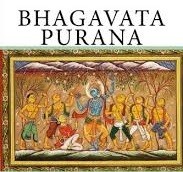
The Bhagavata Purana, also known as Srimad Bhagavatam, is one of the most revered scriptures in Vaishnavism, the Hindu tradition devoted to Lord Vishnu. This Purana places an exceptional emphasis on bhakti (devotional worship) as the path to spiritual realization, liberation (moksha), and inner bliss. It presents a distinct interpretation of dharma centered on loving devotion rather than ritualistic or philosophical approaches alone.
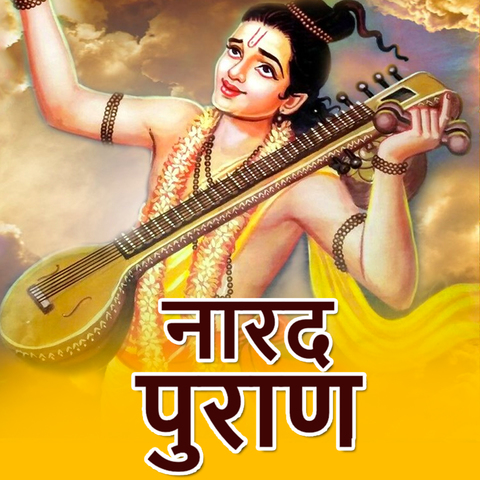
The Narada Purana, also known as the Naradiya Purana, is an important Sanskrit scripture within the expansive body of Hindu Puranic literature. Two different texts share this name, one considered a major Purana and the other classified as a minor Purana (Upapurana). To avoid confusion, scholars often refer to the shorter version as the Brihannaradiya Purana. Despite this dual naming, most traditional Purana lists acknowledge the existence of a significant text attributed to Narada, suggesting its long standing influence in Hindu religious history.
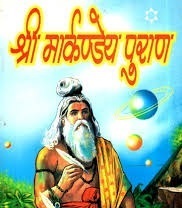
The Markandeya Purana is one of the oldest and most respected scriptures among the eighteen major Puranas of Hinduism. Composed in Sanskrit, it is notable for its philosophical depth, mythological richness, and especially for containing the famous Devi Mahatmya, one of the earliest and most influential texts glorifying the Divine Mother (Devi). Named after the sage Markandeya, the Purana features him prominently in several narratives connected with both Shiva and Vishnu. Scholars consider the Markandeya Purana one of the earliest examples of Puranic literature.
.jpg)
The Agni Purana is one of the eighteen major Puranas of Hinduism and is composed in Sanskrit. Known for its encyclopedic nature, it covers a vast range of subjects including mythology, cosmology, rituals, philosophy, law, grammar, astrology, warfare, temple architecture, medicine, and the arts. Like many Puranas, multiple manuscript traditions exist, resulting in slight variations in chapter count, structure, and content. Traditionally, the text is believed to have been narrated by Agni, the Fire God, to the sage Vasishta, who later passed it to Vyasa, the compiler of the Vedas and Puranas.
The Bhavishya Purana is one of the eighteen major Puranas of Hinduism and is known for its unusual blend of traditional mythology, ritual instructions, and later period historical additions. Its name literally means “The Purana of the Future,” yet the text contains a mix of past, present, and prophetic material compiled across centuries
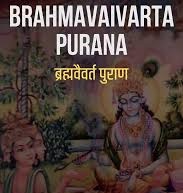
The Brahmavaivarta Purana is one of Hinduism’s eighteen major Puranas and a prominent Sanskrit scripture within the Vaishnava tradition. This Purana places Krishna and Radha at the center of its theology and is known for presenting a unique spiritual vision where the feminine and masculine divine principles are inseparable, interdependent, and eternally unified. The text is also considered one of the more recently compiled Puranas, belonging to the later medieval period, although portions may trace back to much earlier centuries.
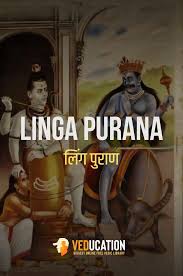
The Linga Purana is one of Hinduism’s eighteen major Mahapuranas, composed in Sanskrit and deeply rooted in Shaivism. The scripture centers on the Linga, the symbolic representation of Lord Shiva, and explores its philosophical, cosmological, ritualistic, and devotional significance. As with other Puranas, it evolved over centuries, resulting in multiple manuscript traditions.
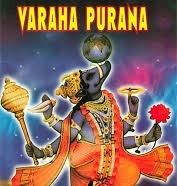
The Varaha Purana is one of the eighteen major Mahapuranas of Hinduism and is composed in Sanskrit. This scripture is closely associated with Lord Vishnu’s Varaha avatar, in which Vishnu takes the form of a boar to rescue the Earth (Prithvi) from the cosmic waters. The text, however, is not limited to Vaishnavism, it also contains significant sections on Shiva, Shakti, goddess traditions, and Dharma, making it a diverse and multi thematic Purana. Because of its layered composition and evolving manuscript tradition, modern scholars regard the Varaha Purana as one of the later Puranas, with major portions compiled between the 8th and 12th centuries CE, and additional material added until the medieval era.