








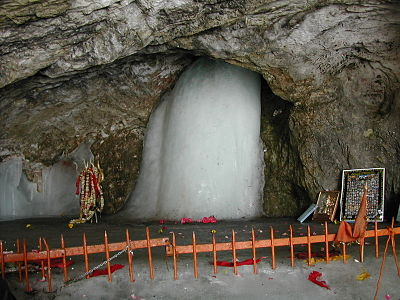
The Amarnath Cave Temple is one of Hinduism’s most sacred shrines dedicated to Lord Shiva, located in the Union Territory of Jammu & Kashmir. Situated at an altitude of 3,888 meters (12,756 ft) in the snow clad Himalayas, the cave lies about 141 km from Srinagar, accessible mainly through the scenic Pahalgam route. For most of the year, the cave remains covered in snow, opening only for a short period during summer when lakhs of devotees undertake the challenging yet deeply spiritual Amarnath Yatra.
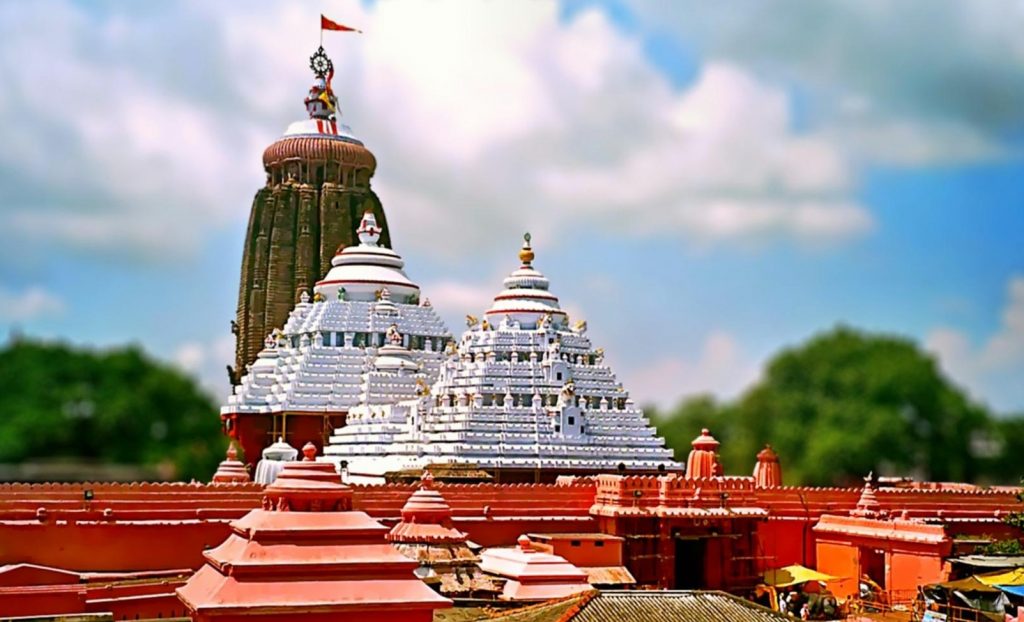
The Jagannath Temple in Puri, Odisha, is dedicated to Lord Jagannath—an incarnation of Vishnu—along with Goddess Subhadra and Lord Balabhadra. Founded by Anantavarman Chodaganga Deva of the Eastern Ganga Dynasty in the 12th century CE, this iconic shrine stands as one of the sacred Char Dham pilgrimage sites. Revered globally as the origin of the renowned Rath Yatra, the temple holds immense spiritual, historical, and cultural significance.
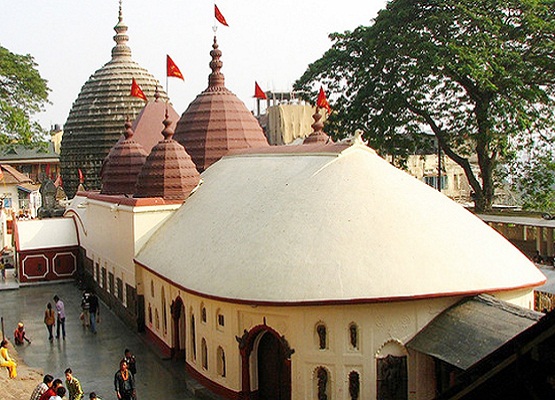
The Kamakhya Temple, located atop Nilachal Hill in Guwahati, Assam, is one of the oldest and most revered Shakti Peethas dedicated to Goddess Kamakhya—the embodiment of feminine power and creative energy. Recognized as the principal temple among the ten Mahavidya shrines, Kamakhya represents a unique blend of ancient Tantric traditions and Vedic worship. Initially patronized by the Mlechchha Dynasty, the temple later flourished under the Pala, Koch, and Ahom rulers, evolving into a major pilgrimage destination for devotees across India.
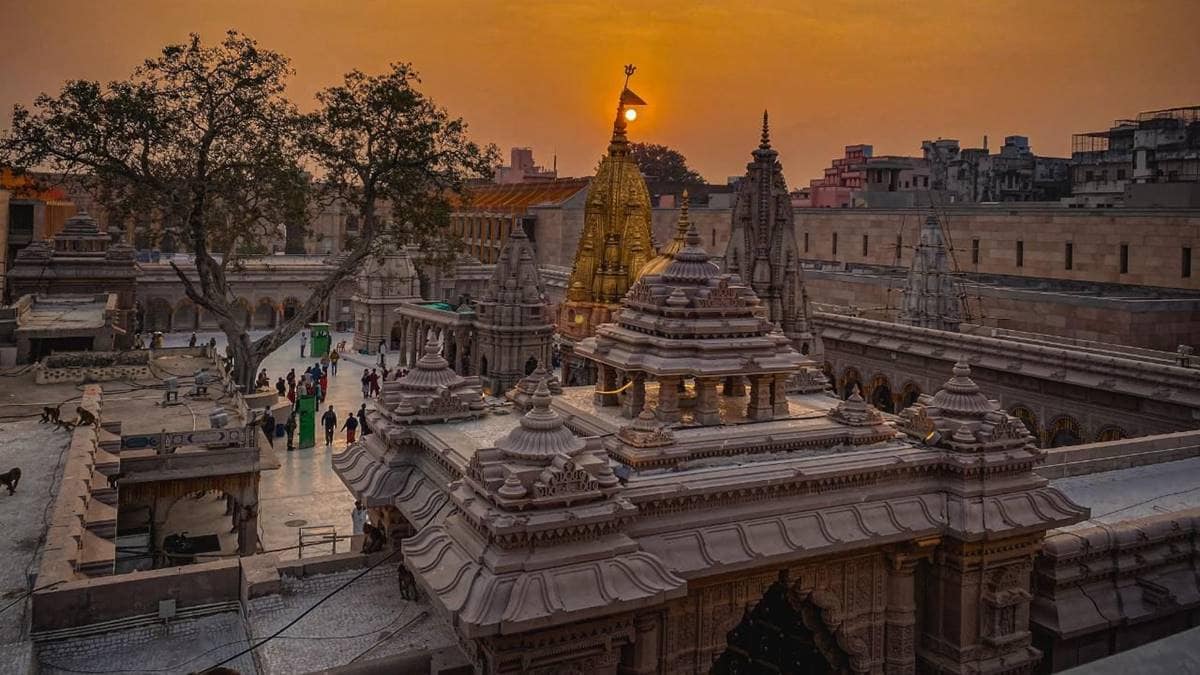
Kashi Vishwanath Temple is one of the most sacred Hindu shrines dedicated to Lord Shiva, revered here as Vishweshwara or Vishwanath, meaning Lord of the Universe. The temple is located in Vishwanath Gali, Varanasi (Uttar Pradesh), on the western bank of the holy River Ganga. Varanasi, historically known as Kashi, is regarded as the oldest living city in the world, and the temple stands at its spiritual core. Kashi Vishwanath is among the twelve Jyotirlingas, the most powerful manifestations of Lord Shiva, making it one of the holiest pilgrimage sites in Hinduism. The word Vishweshwara is derived from Vishva (universe) and Ishwara (supreme ruler), symbolizing Shiva as the absolute cosmic authority.
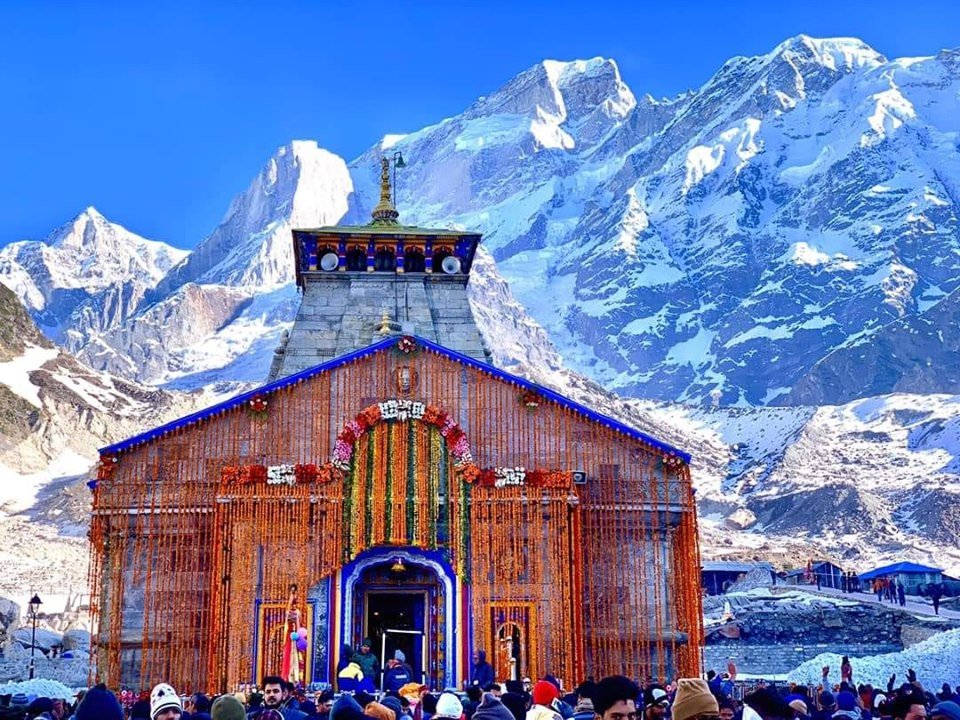
Kedarnath Temple is one of the most revered Hindu shrines dedicated to Lord Shiva, worshipped here as Kedarnath – the Lord of Kedar (the sacred field). Nestled deep in the Garhwal Himalayas of Uttarakhand, the temple stands at an elevation of approximately 3,583 meters (11,755 feet) on the banks of the Mandakini River, a tributary of the Ganga. Kedarnath is one of the twelve Jyotirlingas of Lord Shiva and a key pilgrimage site in the Chota Char Dham Yatra of Uttarakhand, along with Badrinath, Gangotri, and Yamunotri. Due to extreme winter conditions, the temple remains open only from late April or early May (Akshaya Tritiya) until Bhai Dooj / Kartik Purnima. During winter, the deity is ceremonially moved to Ukhimath, where worship continues for six months. The name Kedarnath originates from Sanskrit: • Kedara – field • Natha – lord Together, it signifies “The Lord of the Sacred Land.”
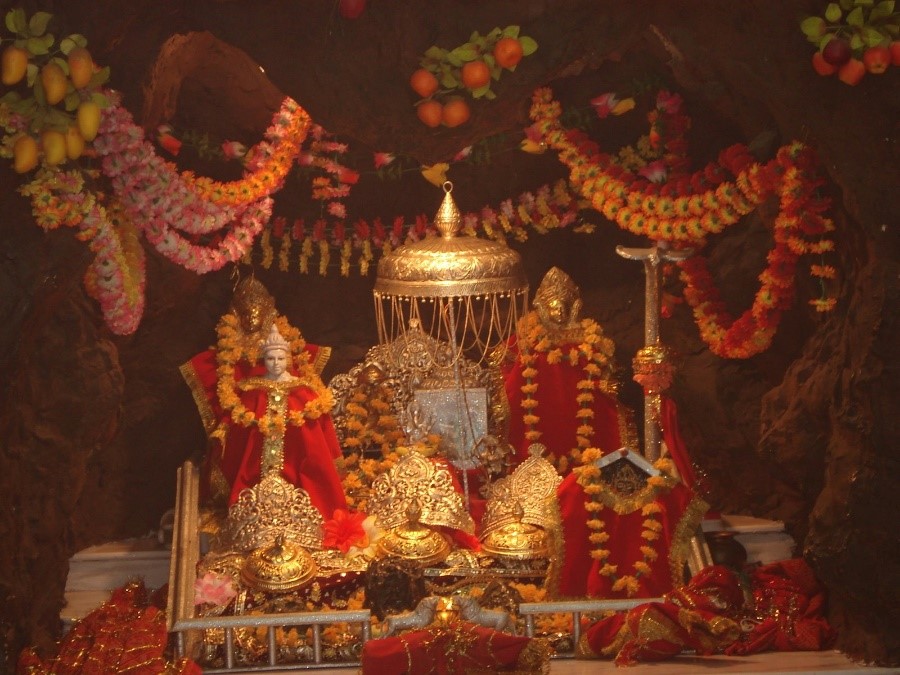
Shri Mata Vaishno Devi Temple is one of the most revered Hindu pilgrimage sites in India, dedicated to Mata Vaishno Devi, a manifestation of the Supreme Feminine Power (Shakti). The temple is located in the Trikuta Mountains near Katra, in the Union Territory of Jammu & Kashmir, at an altitude of approximately 5,200 feet (1,585 meters). The holy shrine is nestled inside a natural cave (Holy Cave) and is traditionally regarded as one of the most important Shakti shrines in the Indian subcontinent. Devotees believe that a pilgrimage to the shrine is not possible without the divine call of the Mother, popularly known as “Mata ka Bulawa.” Millions of pilgrims from India and abroad visit the shrine every year. During major festivals such as Navratri, the number of devotees increases significantly.
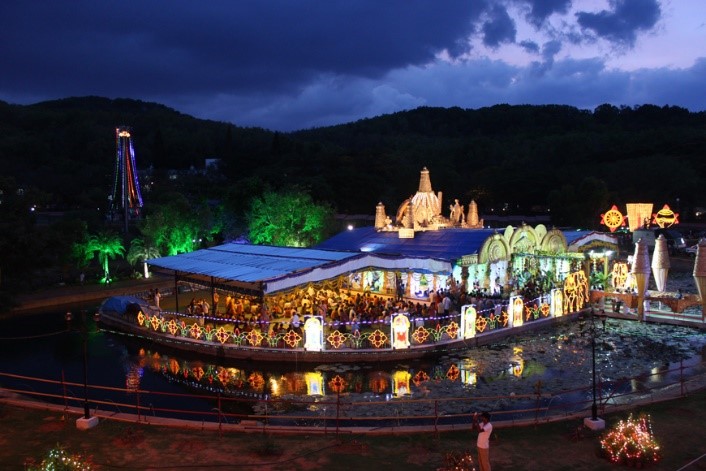
Shri Venkateswara Temple, popularly known as Tirupati Balaji Temple, is one of the most sacred and visited Hindu temples in the world. Located on the Tirumala Hills in Tirupati, Chittoor district of Andhra Pradesh, the temple is dedicated to Lord Venkateswara, a supreme manifestation of Lord Vishnu. According to sacred tradition, Lord Venkateswara manifested here to protect humanity during the Kali Yuga, and hence Tirumala is revered as “Kaliyuga Vaikuntha”, while the deity is worshipped as “Kaliyuga Pratyaksha Daivam” (the living divine of the Kali Age). The temple is administered by Tirumala Tirupati Devasthanams (TTD), an autonomous body under the Government of Andhra Pradesh, which oversees temple rituals, pilgrim services, accommodation, and donations. Other revered names of the Lord include Balaji, Srinivasa, Govinda, and Venkatachalapati.

Shri Somnath Temple, also known historically as Deo Patan, is one of the most revered Hindu temples dedicated to Lord Shiva, worshipped here as Somnath – the Lord of the Moon. Located at Prabhas Patan near Veraval, on the western coast of Gujarat, the temple stands where the Arabian Sea meets sacred land. Somnath holds unmatched spiritual importance as the first among the twelve Jyotirlingas of Lord Shiva. The temple is also situated at the sacred Triveni Sangam, the confluence of the rivers Hiran, Kapila, and the mythological Saraswati, making it an ancient pilgrimage site mentioned in Hindu scriptures. Today, Somnath is not only Gujarat’s most prominent pilgrimage destination but also a symbol of faith, resilience, and cultural continuity.
Shree Siddhivinayak Ganapati Mandir is one of the most revered Hindu temples in India, dedicated to Lord Ganesha, the remover of obstacles and the bestower of wisdom, prosperity, and success. The temple is located in Prabhadevi, Mumbai, Maharashtra, and attracts millions of devotees from India and across the globe every year. The sacred form worshipped here is Shri Siddhivinayak, meaning “Ganesha who grants fulfillment and success.” Over the years, the temple has become a powerful spiritual center, visited by devotees from all walks of life, including artists, industrialists, politicians, and common pilgrims.
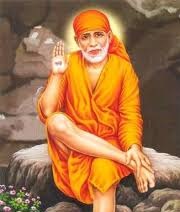
Shri Sai Baba of Shirdi is one of India’s most revered spiritual masters, worshipped by millions across the world. Widely regarded as a manifestation of Sri Dattatreya and known to followers as a saint and fakir, Sai Baba preached the universal message of love, compassion, equality, and devotion to God. He lived in Shirdi for several decades and attained Mahasamadhi in 1918. His teachings embraced both Hindu and Islamic traditions—he lived in a mosque that he named Dwarakamai, chanted the name of Allah, and encouraged Hindu rituals at the same time. Sai Baba’s famous sayings reflect his inclusive philosophy: • “Sabka Malik Ek” – One God governs all • “Allah Malik” – God is the supreme master Devotees of every religion, caste, background, and culture visit Shirdi seeking solace, healing, blessings, and spiritual awakening.
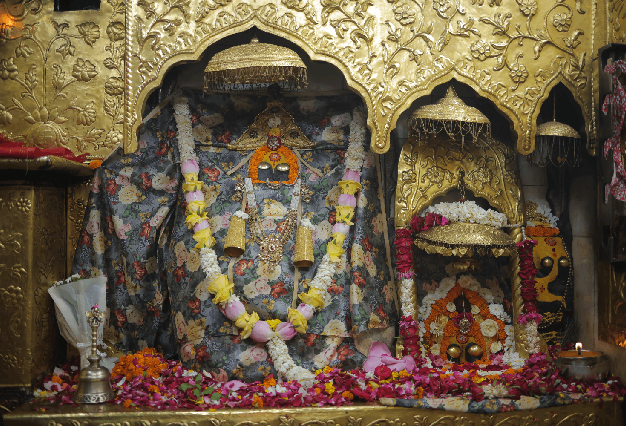
Shri Naina Devi Ji Temple is a prominent Shakti Peeth located atop a hill in the Bilaspur district of Himachal Pradesh. The temple is connected conveniently via National Highway 21, making it easily accessible for pilgrims from neighboring states. Visitors can reach the temple by road via a winding pathway, through well constructed concrete steps, or by taking the popular ropeway (Rajju Marg) that carries devotees from the base to the hilltop. From the temple premises, pilgrims can enjoy a breathtaking view of the Gobind Sagar Lake, a vast reservoir formed by the iconic Bhakra–Nangal Dam.
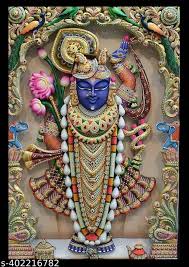
Shrinathji Temple, located in Nathdwara in Rajasthan’s Rajsamand district, is one of the most revered temples dedicated to Lord Krishna. The deity is worshipped here in the form of Shrinathji, a manifestation of Krishna lifting the Govardhan Hill. The temple, operated according to the traditions of Pushtimarg founded by Jagadguru Vallabhacharya, is considered the main seat of devotion for Vaishnavas across the world. The temple is not viewed as a typical shrine but as Shrinathji’s Haveli—the divine residence of the Lord—where daily life, rituals, and services (seva) are performed as if caring for a living child-form of Krishna.
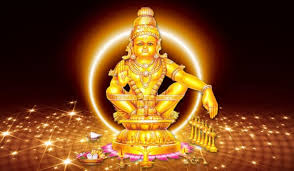
The Sabarimala Sree Dharma Sastha Temple, located in the dense forests of the Periyar Tiger Reserve in Pathanamthitta district, Kerala, is one of the most revered temples in India. Dedicated to Lord Ayyappa (Sri Dharma Sastha)—the celestial son of Lord Shiva and Mohini (Vishnu’s divine avatar)—the temple attracts millions of devotees every year, making it one of the largest annual pilgrimage sites in the world. Situated atop the Sabarimala Hill at an elevation of about 1260 meters, the temple is surrounded by 18 sacred hills. It is known for its unique traditions, including the famous 41 day vratham (austerity period) and the pilgrimage to Pamba followed by a trek through the forests to reach the Sannidhanam. The temple opens only on specific occasions: • Mandala Pooja (Nov–Dec) • Makaravilakku / Makar Sankranti (Jan) • Vishu (April) • First five days of every Malayalam month Sabarimala is renowned for promoting religious harmony, respecting all faiths, and following long standing traditions
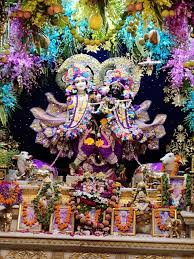
The ISKCON Temple in New Delhi, popularly known as Sri Sri Radha Parthasarathi Mandir, is one of the most prominent Vaishnava temples in the capital. Dedicated to Sri Sri Radha Krishna, the temple stands as a major center of spirituality, devotion, and Vedic education. Located in East of Kailash, near Hare Krishna Hills, the temple was inaugurated on April 5, 1998, in the presence of national leaders such as Atal Bihari Vajpayee, Sahib Singh Verma, and Sushma Swaraj. ISKCON follows the teachings of His Divine Grace A.C. Bhaktivedanta Swami Srila Prabhupada, who founded the International Society for Krishna Consciousness (ISKCON) with the mission of spreading Bhakti-yoga and devotion to Lord Krishna across the globe.
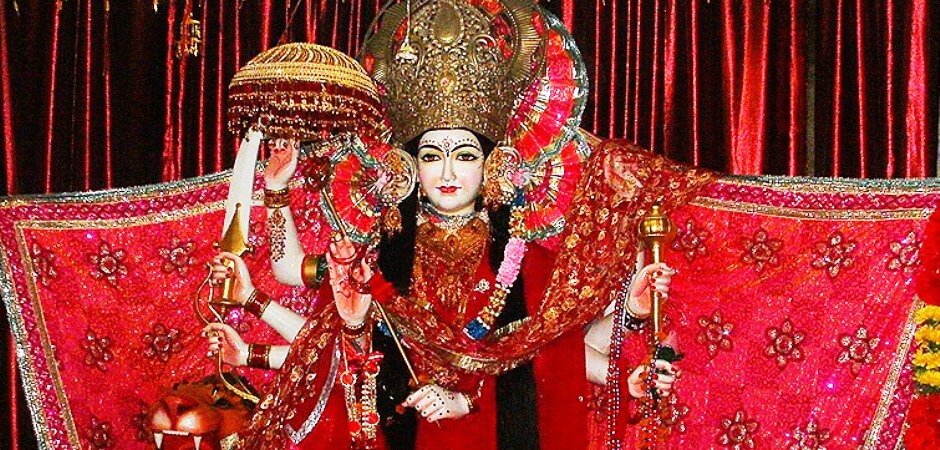
Shri Jwala Ji Temple, located in Jawalamukhi town of Kangra district, Himachal Pradesh, is one of the most sacred 51 Shakti Peethas of India. The temple is dedicated to Maa Jwala Ji, the eternal Goddess of Light, worshipped in the form of ever burning blue flames that emerge naturally from the rock crevices. Uniquely, Jwala Ji has no idol. Instead, devotees worship the nine sacred flames (Jyotis)—each representing a distinct form of the Divine Mother—making it one of the most extraordinary temples in the world. The temple is also known as “Kalidhar”, as it sits gracefully in the Shivalik mountain range. Believed to be originally built by the Pandavas, it has been a prominent pilgrimage center for thousands of years. Jwala Ji is revered especially during Navratri, when vibrant fairs and festivities draw devotees from India and abroad.
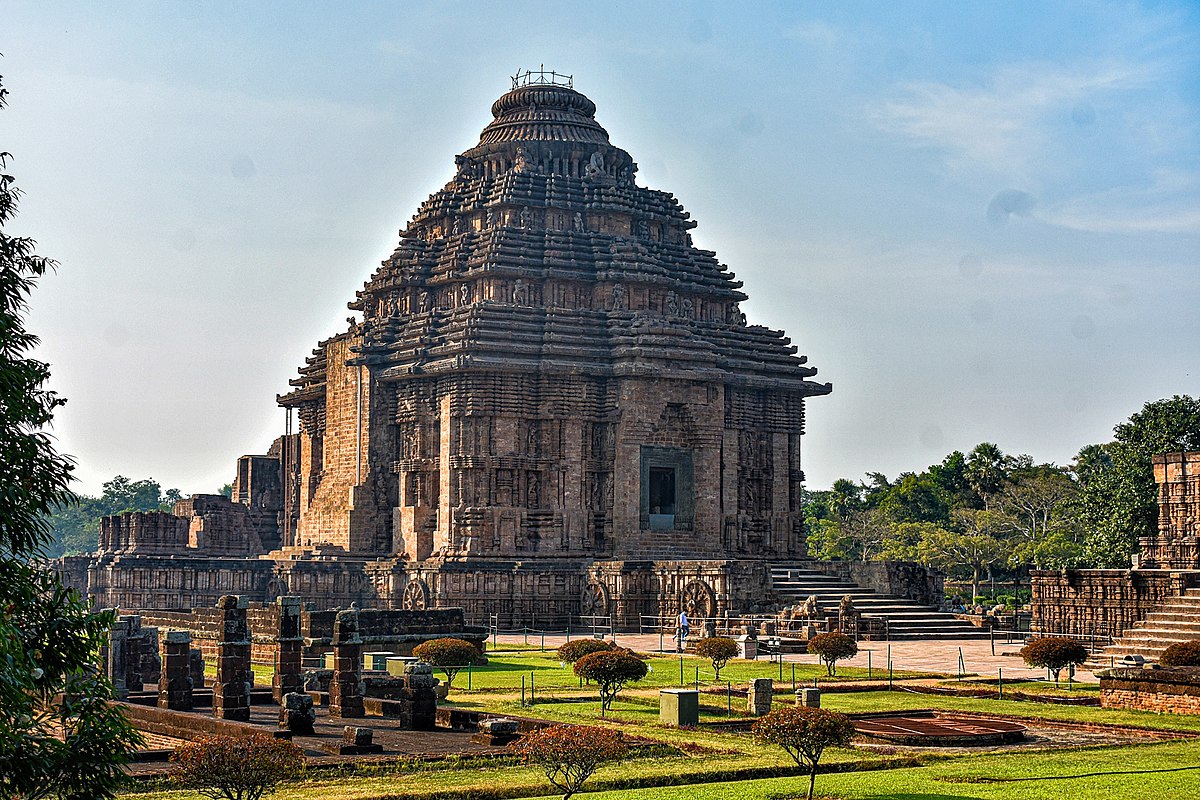
The Konark Sun Temple, also known as Konark Surya Mandir, is a 13th-century architectural marvel located in Konark, Odisha, around 35 km from Puri. Built in 1250 CE under the patronage of King Narasimhadeva I of the Eastern Ganga Dynasty, this iconic temple is dedicated to Surya Dev, the Sun God. The temple is designed as a colossal stone chariot, standing 100 feet high, pulled by magnificent horses and resting on 24 intricately carved wheels, each serving as a symbolic representation of time. Originally rising over 200 feet, only parts of the temple survive today. The massive audience hall remains intact, while the towering shikhara above the sanctum has collapsed over time. Recognized globally for its artistry, erotic carvings, scientific precision, and mythological iconography, Konark Sun Temple stands as the finest example of Kalinga architecture and is honored as a UNESCO World Heritage Site.