









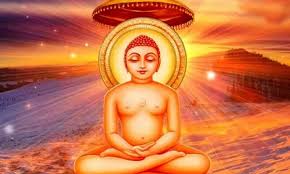

Rohini Vrat is an important and sacred fast observed with deep devotion by followers of the Jain community. The vrat is observed on the day of Rohini Nakshatra, which appears once every 27 days. In a year, there are 12 Rohini Vrats. Both men and women may observe this fast, but in Jain traditions, women especially keep Rohini Vrat for the well being, prosperity, and long life of their family. The fast concludes at the end of Rohini Nakshatra and the beginning of Mrigashirsha Nakshatra.
🌺 Significance
of Rohini Vrat
Rohini
Vrat holds deep spiritual meaning in Jainism. It is believed that:
The
vrat also cleanses one of negative karmas and fosters a compassionate,
disciplined lifestyle.
🌟 Benefits
of Rohini Vrat
🕉️ Presiding
Deity
🙏 Rohini
Vrat Rituals
On
the day of Rohini Vrat, devotees—especially women—perform the following
rituals:
1.
Early Morning Preparation
2.
Offering Prayers
3.
Observing the Fast
4.
Family Blessings
📖 Rohini
Vrat Story (Katha)
Long
ago, King Vastupal had a wealthy friend named Dhanamitra, whose
daughter suffered from an unpleasant body odor. Worried about her future,
Dhanamitra married her to Shrishen, the king’s son, by offering wealth.
However,
within a month, Shrishen abandoned her due to the smell. Heartbroken, the
girl’s mother prayed for a remedy. Around this time, Jain monk Muniraj
Amritsen visited the town and narrated a story:
In a
previous birth, a queen named Sindhumati had insulted a Jain monk by
serving him bitter food in anger. As a result, she suffered from leprosy and
was reborn in Dhanamitra’s family as the girl with the foul odor.
Muniraj
advised her to observe Rohini Vrat with complete devotion. She followed
his guidance and soon became free from her suffering.
Thus,
Rohini Vrat is believed to remove past karmic effects, sorrow, and
difficulties—bringing peace, purity, and well‑being.
📅 Rohini
Vrat Dates 2026