








.jpg)
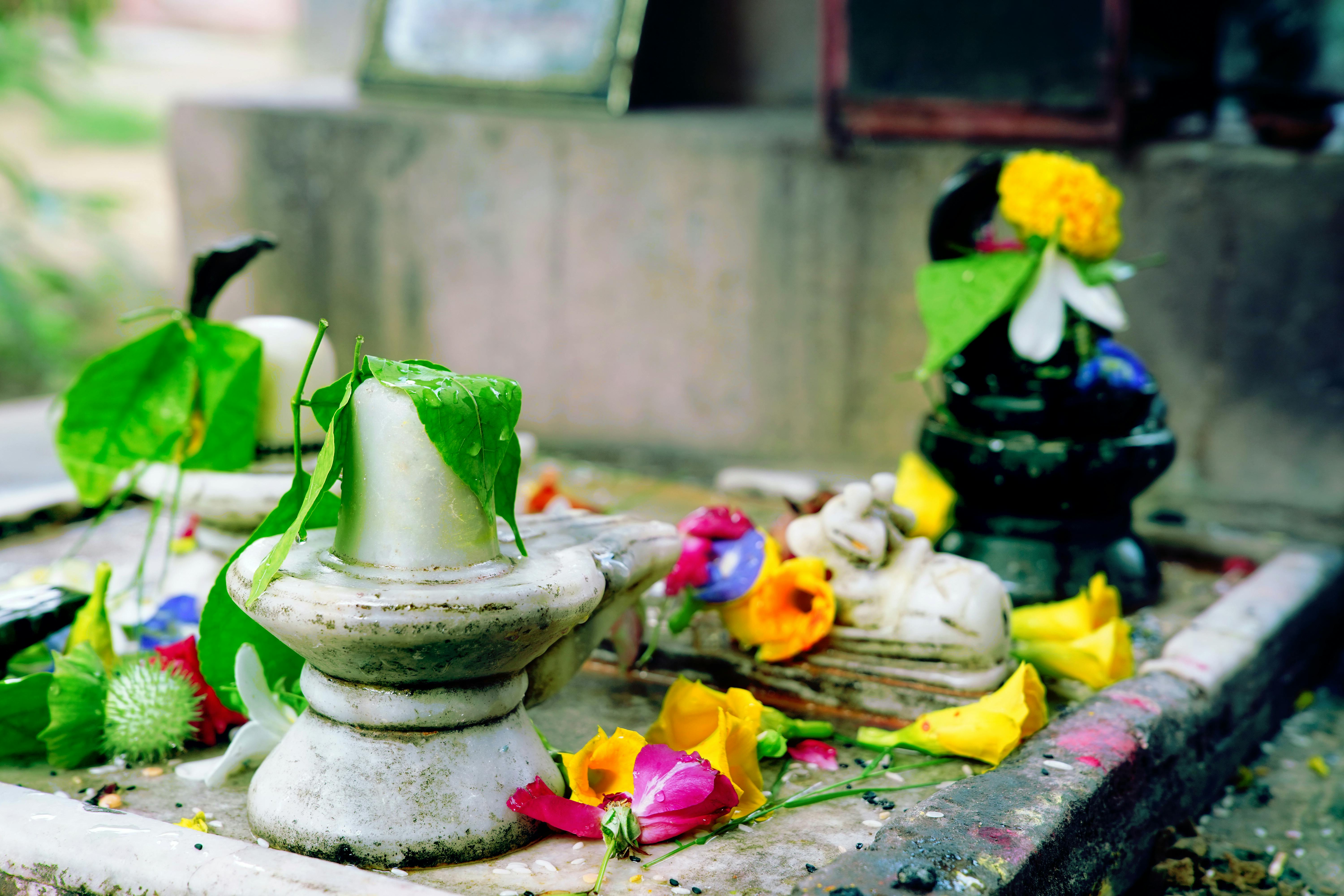
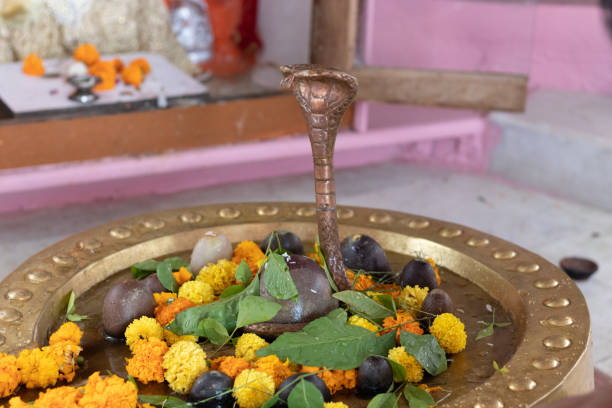
Nag Panchami is a traditional Hindu festival dedicated to the worship of serpent deities (Nagas). It is celebrated on the fifth day (Panchami) of Shukla Paksha in the holy month of Shravana (July–August). The festival highlights the deep spiritual reverence for snakes in Hindu culture, symbolizing fertility, protection, and prosperity.
🌟 Mythological
Background of Nag Panchami
The
origins of Nag Panchami are rooted in ancient legends. One popular story
narrates that Takshaka, the king of serpents, was responsible for the
death of King Parikshit. To avenge his father’s death, King Janamejaya
performed a powerful Sarpa Yajna—a sacrificial ritual intended to
destroy the entire Naga community. The festival of Nag Panchami emerged as a
symbol of peace, protection, and respect toward serpents, emphasizing the
importance of harmony between humans and nature.
🌧️ Why
Nag Panchami Is Celebrated in Shravan
During
the monsoon season, heavy rains flood snake burrows, causing snakes to come out
in search of dry shelter. Worshipping serpent deities during Shravan is
believed to protect families from snakebites and honor the powerful beings that
guard nature’s ecosystems.
🕉 Deity
Worshipped
🙏 Nag
Panchami Rituals (Puja & Vrat)
✔ When Nag Panchami Is
Celebrated
✔ Main Ritual
Practices
✔ Food Restrictions
🎉 Nag
Panchami Celebrations Across India
Nag
Panchami is observed in diverse ways throughout India:
Maharashtra
North
India (UP, MP, Rajasthan, Kashmir)
Eastern
& Northeastern India (Bengal, Odisha, Assam)
South
India
Nepal
🍛 Traditional
Foods for Nag Panchami
Popular
dishes include:
Fasting
rules vary from region to region; dishes are typically light, vegetarian, and
sattvic.
⚠️ Nag Panchami Safety
& Dos/Don’ts
✔ Recommended
❌ Avoid
📍 Best
Places to Experience Nag Panchami
These
regions host major serpent temples, fairs, and cultural rituals.
📅 Nag
Panchami Date 2026
Celebrated
on the fifth day of Shukla Paksha in Sawan.
Nag Panchami on Monday, August 17, 2026
🏛 Public
Holiday